Once you pass 60, movement becomes one of your most valuable assets. Regular exercise helps you preserve muscle mass, which plays a central role in staying active and self-sufficient as the years go by. Since the body naturally begins to lose lean muscle after 30, keeping up your strength matters more than ever. And if structured workouts haven’t been part of your routine, starting now can still make a meaningful difference.
Strength at this stage isn’t about lifting heavy loads. It’s about preparing your body for everyday demands. Tasks such as standing up from a sofa or reaching into a wardrobe can gradually become harder if muscle support fades. Maintaining strength helps ensure these ordinary movements stay comfortable and controlled.
To understand whether your upper-body and core strength are where they should be, fitness experts recommend testing yourself with a few simple holds. Being able to maintain these positions after 60 is a strong sign that your core stability is in excellent shape.

Why Core Strength Matters More After 60
After 60, core strength is less about appearance and far more about balance and stability. According to fitness professionals, a strong core supports posture, protects the spine, and helps you stay independent. Static holds are especially useful because they don’t rely on momentum. Instead, they reveal whether your muscles can support your body steadily against gravity.
 Goodbye kitchen cabinets: the cheaper new trend that won’t warp, swell, or go mouldy over time
Experts also note that core strength plays a key role in fall prevention. Better stability reduces the risk of losing balance, while good posture can help limit back and joint discomfort. Everyday activities like getting out of a chair or carrying groceries also feel safer when the core is doing its job.
If you can perform the following exercises with proper alignment and calm breathing, your core strength is considered top-tier for your age.
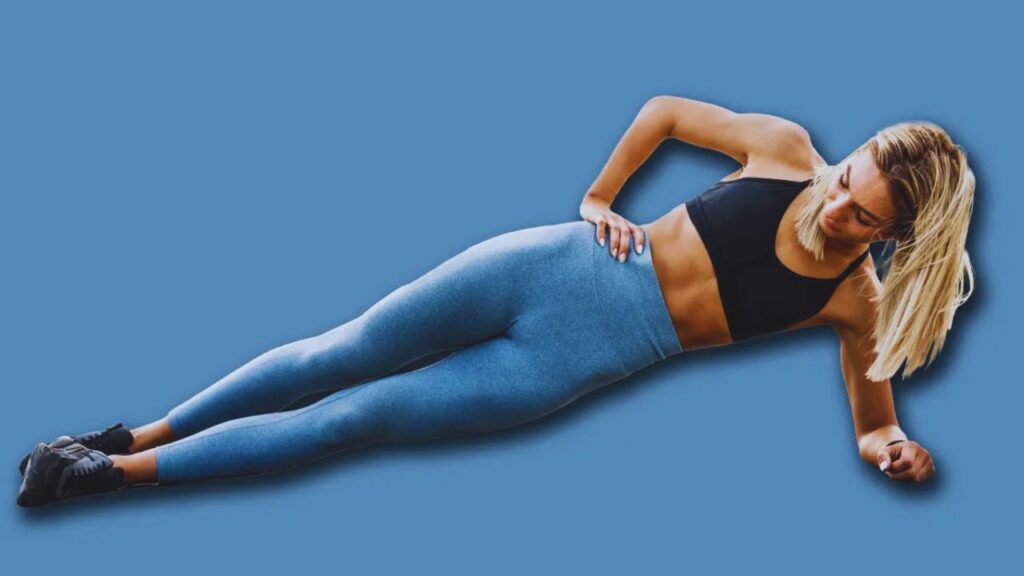
Elbow Side Plank
The elbow side plank challenges full-body stability while being gentler on the wrists than a traditional high plank. It demands deep abdominal engagement, glute activation, and steady spinal alignment. Successfully holding this position shows that you can stabilize your spine under load without overusing the lower back.

- Lie on your side with your elbow positioned directly under your shoulder.
- Stack your feet one on top of the other.
- Lift your hips until your body forms a straight line from head to feet.
- Hold for 30 to 45 seconds, completing 2 to 3 sets.
- Rest for 45 to 60 seconds, then repeat on the other side.
High Plank Hold
Maintaining a high plank for a full minute requires more than core strength alone. It also tests shoulder stability, breathing control, and total-body tension. Holding this position with good form shows that you have the endurance and structural strength needed to support your body without sagging or shifting.
- Place your hands directly beneath your shoulders.
- Press into your fingers and engage your upper arms.
- Step your feet back to hip-width.
- Tighten your abs, squeeze your glutes, and engage your thighs.
- Hold for 60 seconds, completing 1 to 2 controlled sets with steady breathing.
Split Squat Hold
This hold challenges the core to keep the body stable while the legs work unevenly. It closely reflects real-world movement, making it a strong indicator of balance and coordination. Successfully holding this position shows that your core can manage uneven loading, which is essential for walking, climbing stairs, and staying steady.
- Step one foot back into a split stance.
- Lower into a lunge position and hold.
- Keep your torso upright and your core engaged.
- Hold for 20 to 30 seconds on each side.
- Complete 2 to 3 sets, including both sides in each set.
Practicing these holds three to four times per week can help maintain strength. Focus on proper form, controlled breathing, and alignment rather than extending hold times. Progress comes from quality movement, not forcing longer durations. After 60, strong core function is about staying upright and controlled when life challenges your balance.

Dead Bug Exercise
Although not a static hold, the dead bug is highly effective for core strength and coordination. It places internal pressure on the body while requiring external control, which is why it can feel surprisingly challenging despite limited movement.

- Lie on your back with arms extended toward the ceiling.
- Lift your knees and bend them to 90 degrees.
- Press your lower back firmly into the floor.
- Lower your left arm while extending your right leg.
- Return to center, then switch sides and continue alternating.