Maintaining a healthy posture is essential for overall well-being. With many modern lifestyles involving long hours at desks and extended screen time, postural imbalances have become more common. These issues can lead to discomfort in the back, neck, and shoulders, as well as decreased energy. Yoga offers a gentle yet effective way to address these concerns. Regular practice can help build strength, enhance flexibility, and increase body awareness—key components of proper posture. Below are five easy yoga poses to improve how you sit, stand, and move.
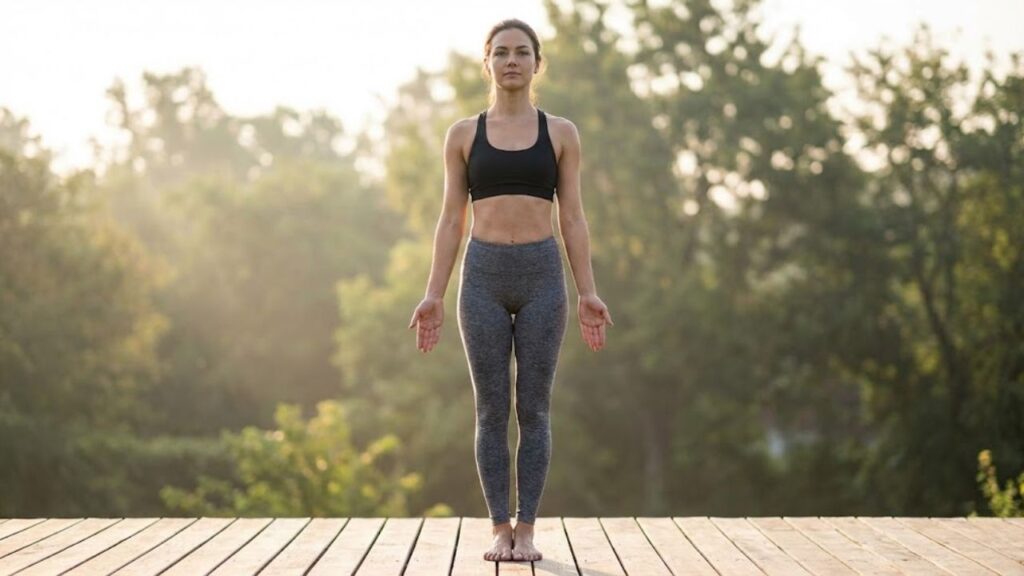
1. Mountain Pose (Tadasana): Building Awareness for Proper Alignment
Mountain Pose is a foundational yoga posture that enhances your awareness of alignment, making it a great starting point for improving posture. Despite its simplicity, it helps activate the body by teaching you to stand tall, engage your core, and elongate your spine.
To practice Mountain Pose:

- Stand tall with feet hip-width apart, pressing evenly into the ground.
- Lift your chest while engaging your thighs, ensuring your knees are not locked.
- Reach the crown of your head upward, lengthening your spine.
- Relax your shoulders and let your arms rest by your sides, palms facing forward.
- Hold for 30 seconds to 1 minute, maintaining steady alignment.
2. Cat-Cow Pose (Marjaryasana-Bitilasana): Enhancing Spinal Mobility
Cat-Cow Pose is a flowing movement that gently stretches the spine and relieves tension in the neck, shoulders, and back. Alternating between spinal extension and flexion improves spinal flexibility and supports healthy posture.

To practice Cat-Cow Pose:
- Start on all fours with your wrists under your shoulders and knees under your hips.
- Inhale, dropping your belly while lifting your chest and tailbone upward.
- Exhale, rounding your spine and bringing your chin toward your chest.
- Continue this movement for 5–10 rounds, syncing with your breath.
This gentle flow improves spinal mobility, a crucial element for maintaining an upright posture.
3. Cobra Pose (Bhujangasana): Strengthening the Upper Spine
Cobra Pose strengthens the muscles along the spine and opens the chest and shoulders. It is particularly useful for counteracting slouching by activating the muscles that support the upper back.
To practice Cobra Pose:
- Lie face down with your legs extended and the tops of your feet resting on the floor.
- Place your hands under your shoulders, elbows close to your body.
- Inhale, gently lifting your chest off the floor by pressing into your palms.
- Keep your elbows slightly bent and engage your back muscles.
- Hold for 15–30 seconds, then slowly release.
This pose helps strengthen the back and stretch the chest, promoting a more open, upright posture.
4. Child’s Pose (Balasana): Gentle Release for the Spine
Child’s Pose provides a relaxing stretch that soothes the back and lengthens the spine. It’s perfect for relieving built-up tension and encouraging spinal alignment, especially after sitting for long periods.
 Goodbye kitchen cabinets: the cheaper new trend that won’t warp, swell, or go mouldy over time
To practice Child’s Pose:
- Kneel on the floor with your big toes together and knees slightly apart.
- Lower your hips toward your heels and extend your arms forward.
- Rest your forehead on the mat and relax your neck and shoulders.
- Breathe deeply and hold for 1–3 minutes.
This restorative pose helps reset the spine and offers gentle relief from postural strain.
5. Bridge Pose (Setu Bandhasana): Strengthening the Lower Body
Bridge Pose targets the lower back, glutes, and core, all of which are crucial for maintaining proper posture. It also opens the chest and hips, supporting better spinal alignment.
To practice Bridge Pose:
- Lie on your back with your knees bent and feet flat on the floor, hip-width apart.
- Place your arms alongside your body with palms pressing into the floor.
- Press through your feet and lift your hips upward.
- Engage your core and glutes while keeping your knees aligned.
- Hold for 30 seconds to 1 minute, then lower slowly.
- Repeat 3–5 times.
This pose activates key muscles that help maintain an upright posture and reduce the tendency to slouch.
Conclusion: Small Daily Steps for Lasting Posture Benefits
Incorporating these five simple yoga poses into your daily routine can lead to noticeable improvements in posture over time. Regular practice helps strengthen the spine, increase flexibility, and improve body awareness. By starting with just a few minutes each day and staying consistent, you’ll experience long-term benefits.

By making yoga a part of your daily routine, you not only improve your posture but also cultivate greater mindfulness and physical balance. Whether you’re new to yoga or already practiced, these gentle movements can help you feel better and carry yourself with confidence every day.