
Once dismissed as science fiction, these experimental transplants are now taking place in operating theatres, with surgeons hoping pig organs can close the deadly gap between organ supply and demand.
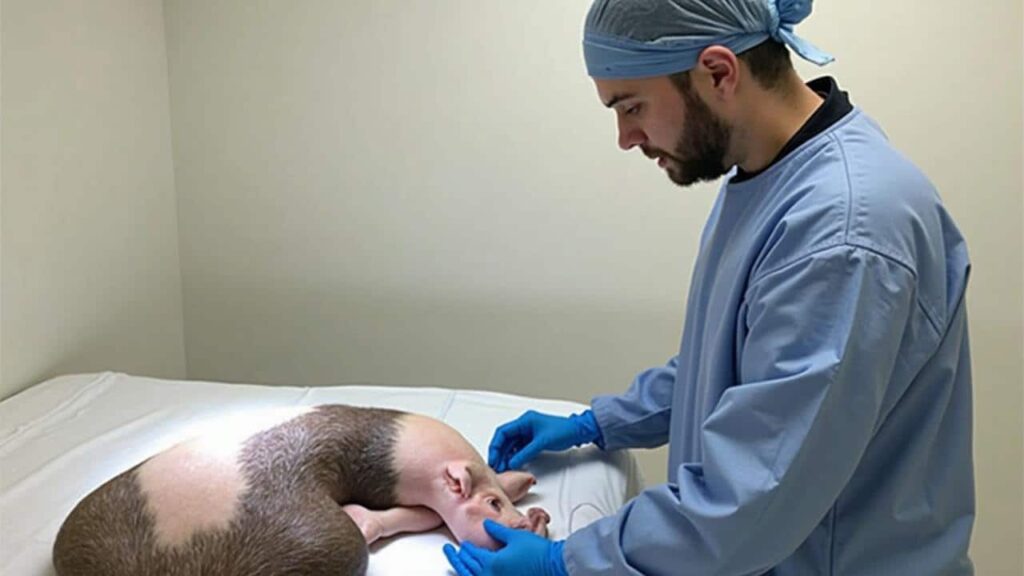
Pig organs step in where human donors fall short
Modern transplant medicine has a brutal arithmetic problem. There are simply not enough human organs for everyone who needs one. Waiting lists grow, while time runs out for thousands of patients each year.
In the UK alone, figures reported over the past decade suggest more than 12,000 people either died on the transplant list or became too ill for surgery before a suitable organ appeared. Kidney failure patients are among the hardest hit, often spending years on dialysis while they wait for a call that never comes.

In many countries, the wait for a kidney or heart is now longer than doctors expect some patients to survive. For the sickest individuals, standard options are exhausted. They may be too fragile for a traditional transplant, or their immune system rejects every human donor organ on offer.

Pig-organ transplants are emerging as a back-up plan when the human donor system simply cannot keep pace with demand.
The aim is not to abandon human donation. Instead, genetically modified pigs could act as a permanent, reliable reservoir of organs, used first in emergency or last-resort cases. If the approach proves safe and effective, it could ease pressure across the transplant system, cutting queues for everyone.
How gene-edited pigs are engineered for humans
The main obstacle to using animal organs is the human immune system. It is built to attack anything that looks foreign. A pig kidney or heart, in its natural state, looks about as foreign as it gets.
In early attempts at so-called xenotransplantation, human immune cells attacked pig tissues within hours. Blood clotted, vessels collapsed, and organs failed in days. Those failures convinced many that animal-to-human transplants were a dead end.
Teams at centres such as NYU Langone in the US picked apart these reactions in fine detail. They mapped which antibodies latch onto pig cells and which immune cells launch the final assault. That knowledge allowed genetic engineers to redesign pigs from the ground up.
What actually gets changed in these pigs?
Today’s transplant pigs are not ordinary farm animals. They are produced by specialist biotech companies using CRISPR and other editing tools to alter their DNA. Typical changes include:
- Removing specific sugar molecules on pig cells that trigger a massive human antibody response
- Knocking out pig genes thought to drive clotting and inflammation in human blood
- Adding human genes that help the organ “blend in” with human tissue and blood chemistry
On top of that, transplant teams use drugs already familiar from human-to-human transplantation. These medicines damp down the immune system so that it accepts the pig organ long enough for it to function.
The combination of precision gene editing and existing immunosuppressant drugs turns a once-impossible operation into a controlled, monitored medical procedure.
First human patients, first real results
Recent years have seen the first carefully supervised pig-organ procedures in living and deceased human recipients. These are not yet routine operations. They are framed as experimental, offered to patients who have no other realistic option.
The early cases show that pig kidneys can filter blood and produce urine in a human body, and that pig hearts can beat and maintain circulation for weeks under the right conditions. That alone is a major scientific milestone.
Doctors remain cautious. Even when the surgery goes well, three big categories of risk still worry them:
- Immune risk: delayed rejection or chronic damage to the organ
- Infectious risk: pig viruses or bacteria adapting to humans
- Long-term risk: unknown effects over years rather than months
So far, genetic modifications and strict screening of donor animals have reduced many of these concerns, but not eliminated them. That is why trials focus on a small number of high-risk patients, closely monitored with frequent blood tests, biopsies and scans.
Could pig organs change transplant waiting lists?
If current trials confirm safety and reasonable survival, transplant coordinators could begin to rethink how organ allocation works. Instead of rigidly waiting for a human match, they might offer a pig kidney as a fast option for someone rapidly deteriorating on dialysis.

In a best-case scenario, a patient could receive a pig organ quickly to stabilise their health, then wait for a human organ in better condition.
Hospitals also imagine more predictable surgery schedules. Human organs come from donors at unpredictable times, often in the middle of the night, with teams rushing to assemble. Pig organs, raised in controlled facilities, could be available on demand and matched more calmly to ready surgical teams.
| Aspect | Human donor organ | Genetically modified pig organ |
|---|---|---|
| Availability | Unpredictable, limited | Potentially scheduled, scalable |
| Ethical debate | Consent, allocation fairness | Animal welfare, cross-species risks |
| Immune challenge | Significant but well-studied | Higher, mitigated by gene editing |
| Long-term data | Decades of outcomes | Only early-stage results |
Ethics, fears and public acceptance
The science is only one side of the story. Each pig-organ operation also raises ethical questions. Some hesitations are practical, others deeply personal or religious.
Animal welfare groups ask whether breeding pigs purely as medical spare parts is acceptable, even under strict conditions. Faith leaders differ on whether pig tissue in the body is compatible with dietary or religious rules. Families may worry whether a loved one will feel “less human” with a pig heart beating in their chest.
Regulators also tread carefully. They must weigh the urgent needs of dying patients against the small but real possibility of introducing new diseases to humans. Many countries require long-term surveillance of anyone receiving animal tissue, including regular testing and data sharing with public health authorities.
The decision to accept a pig organ is likely to be deeply personal, shaped by culture, beliefs and the sheer urgency of staying alive.
Key medical concepts patients keep asking about
What exactly is rejection?
Rejection is not one single event, but a series of immune attacks. In the early hours and days, antibodies and clotting factors may damage blood vessels in the organ. Over weeks, specialised T cells can infiltrate and scar the tissue.
To control this, doctors typically prescribe a cocktail of drugs: one to blunt T-cell activity, another to reduce antibody production, and sometimes a third to keep inflammation down. With pig organs, the same drugs are used, but often at higher vigilance, with more frequent dose adjustments.
What about infections jumping from pigs to people?
Pigs carry their own viruses, some buried deep in their DNA. Modern breeding programmes try to eliminate as many of these as possible, especially any that might adapt to humans. Donor herds live in high-biosecurity facilities, shielded from outside pathogens.
Before a transplant, both the pigs and their organs are tested for a long list of known agents. Patients are then monitored for strange fevers, respiratory symptoms or unusual blood test results. If anything looks off, samples are rapidly sequenced in the lab to rule out new infections.
What the next decade of pig-organ medicine might look like
Specialists often sketch out a stepwise future. Initially, pig kidneys are expected to lead, because dialysis offers a backup if the organ fails. Hearts and livers may follow once safety is better established. Lungs are seen as the hardest target due to their fragile structure and constant exposure to air and germs.
Patients may one day be offered different scenarios. A person in their 40s with end-stage kidney failure could choose a pig kidney to get off dialysis quickly, with the idea of a human kidney later. An elderly patient with heart failure might opt for a pig heart as a way of gaining extra months or years they would not otherwise have.
Each scenario brings a different balance of risk, benefit and personal values. Transplant teams will need new counselling tools to help families understand unfamiliar concepts like xenotransplantation, gene editing and lifelong infection monitoring.

For now, the promise is stark and simple: if pig organs can be made safe enough, thousands of people who currently die waiting may instead get a second chance at life. The science is moving faster than many expected, and health systems are already asking how to prepare if these once-unthinkable operations become part of ordinary medical practice.
 Meteorologists warn February could begin under an Arctic regime never observed in recent history
