
The day I realized I didn’t need to clean more, I was on my knees in the hallway, wiping the same patch of floor for the third time. The house was technically “clean,” yet everything felt heavy. The toy basket overflowed, the kitchen counters were lined with “useful” gadgets, and my brain buzzed louder than the vacuum.
I wasn’t lazy. I was exhausted.
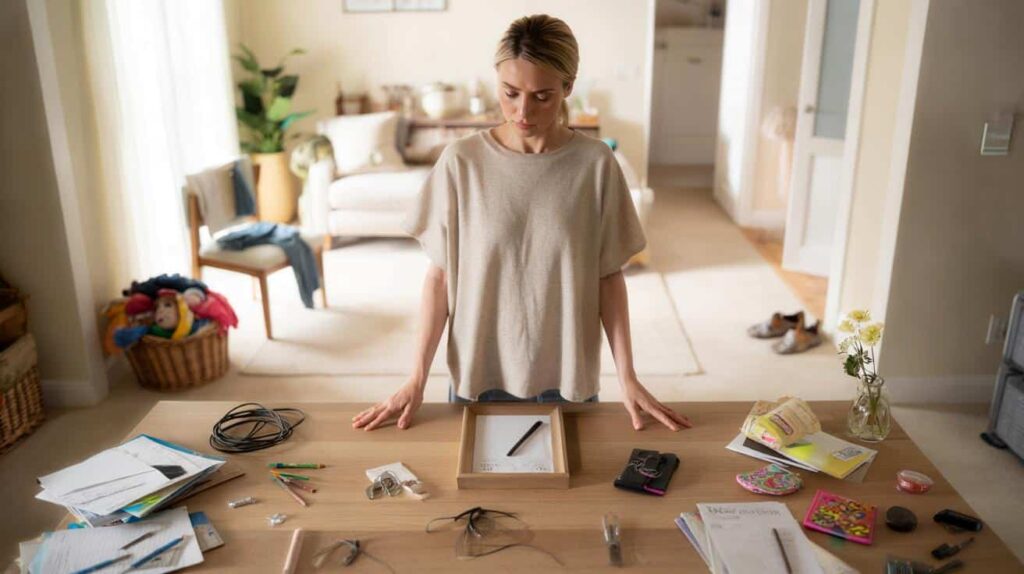
At some point, a simple question landed in my head: what if the problem wasn’t how often I cleaned, but why?
That question changed the whole scene.

I stopped cleaning to impress the house
The shift started with one small rebellion. I put the cleaning schedule in the recycling bin. No more Tuesday bathroom panic, no more Sunday night kitchen marathon. I decided my energy wasn’t infinite, so every wipe, every sort, every bin bag had to mean something.

I didn’t clean more. I cleaned where my life actually happened.
Slowly, the house began to feel less like a museum I was failing to maintain and more like a place that worked for me.
One afternoon, instead of doing the “full house reset,” I stood in the doorway and asked: what’s truly bothering me right now?
Not the imaginary mess a guest might notice, but the real friction in my day.
My eyes went straight to the kitchen table. It had become a dumping ground: mail, homework, chargers, half-finished crafts. No wonder dinner felt stressful. I gave myself 20 focused minutes just for that table. Tossed the expired leaflets, stacked the real mail, created one small tray for keys and chargers.
That night, eating at a clear table felt like a hotel luxury, even though the living room was still a bit of a disaster.
That’s when it clicked: **intention beats intensity**. My old way was all about quantity – more scrubbing, more mopping, more hours. Yet nothing stayed tidy for long because I wasn’t solving the right problems.
Once I started targeting the spots that had the biggest impact on my daily mood, cleaning stopped feeling endless. The kitchen table made mornings smoother. An uncluttered bathroom shelf made getting ready less chaotic.
The house was not dramatically cleaner in a “before/after” Instagram way. It simply became more liveable. And my head finally had room to breathe.
The method: clean where your life actually hurts
Here’s the simple method I came up with on a day when I almost cried over a pile of laundry.
First, I paused. I walked through the rooms and noticed where my shoulders tensed. Where do I sigh? Where do I drop things because there’s nowhere to put them?

Then I picked just one “pain point” per day. Not a room. A point. The kitchen counter by the stove. The chair buried under clothes. The entryway shoe explosion. Fifteen to twenty minutes, timer on, phone in another room.
The goal wasn’t perfection. It was relief.
A common trap is turning this into yet another extreme routine. We get inspired, then write a long checklist, then feel guilty when we can’t maintain it. Let’s be honest: nobody really does this every single day.
The more pressure we add, the less we actually want to touch anything. That’s how you end up doom-scrolling cleaning videos while sitting in the middle of a messy living room. The trick is compassion. If you’re tired, choose a pain point that’s tiny. One drawer. One shelf. The bag you still haven’t unpacked from last weekend.
You’re not failing if the whole house isn’t sparkling. You’re winning if one small corner supports you better tonight than it did this morning.
*“I used to clean to erase evidence that I lived. Now I clean so I can live more freely in the space I have.”*
- Ask your space a question
What’s getting in my way or draining me right now? - Choose one micro-zone
Think: the bedside table, not the whole bedroom. - Set a gentle time limit
Ten to twenty minutes so it doesn’t snowball into a three-hour purge. - Decide the purpose
Is this corner for rest, for cooking, for work, for play? - Remove what doesn’t match that purpose
You’re not organizing clutter, you’re editing it.
A home that fits your real life, not your ideal one
At some point, I stopped chasing the fantasy of the “always tidy” home and started asking what my actual life needed. Not the life on Pinterest. The one with late dinners, forgotten socks, and Tuesdays where the trash sits one more day.
Intention-based cleaning is strangely forgiving. Yesterday’s effort keeps paying off because you’ve changed the function of a space, not just its appearance. That basket by the door stops shoes from migrating across the hallway. The clear nightstand calms your brain before sleep.

You begin to see cleaning less as punishment and more as quiet design work on your own life.

| Key point | Detail | Value for the reader |
|---|---|---|
| Clean pain points, not whole rooms | Target the spots that cause daily frustration or stress | Faster sense of relief, less overwhelm, more motivation |
| Give every zone a clear purpose | Edit objects based on what that space is actually for | Spaces stay tidy longer and feel easier to use |
| Use small, timed sessions | 10–20 focused minutes instead of marathon cleaning days | Easier to start, easier to repeat, less burnout |
FAQ:
- Is “cleaning with intention” just minimalism with a new name?Not exactly. Minimalism focuses on owning less. Cleaning with intention focuses on how your space works day to day. You can have many things and still choose where your effort goes with clarity.
- How do I start if my home is already very cluttered?Begin with one high-impact spot you use daily: the sink, the table, the bed. Don’t wait to “declutter everything” first. Small, functional wins give you the energy to tackle bigger areas later.
- What if my family keeps undoing my efforts?Choose shared pain points and involve them in deciding the purpose of each zone. Clear homes are easier to maintain when everyone understands where things go and why that helps them too.
- Does this work if I have very little time?Yes, that’s where it shines. One intentional 10-minute session often beats 2 hours of unfocused cleaning. Think quality of effort, not quantity of minutes.
- Can cleaning with intention replace a full deep clean?You’ll still need deeper cleaning now and then, especially for hygiene. The difference is, your regular days feel lighter, and those big cleans become less dramatic because the space already supports your routines.
