
The plastic bird feeder swings in the pale winter light, smudged with fingerprints and half-frozen seed. A blue tit lands, grabs a peanut chunk, and darts off again. In the kitchen, a mug of tea cools as someone watches, feeling quietly proud. It feels like a tiny act of resistance against the cold: you, your window, and these fragile creatures you’re helping survive the dark months.
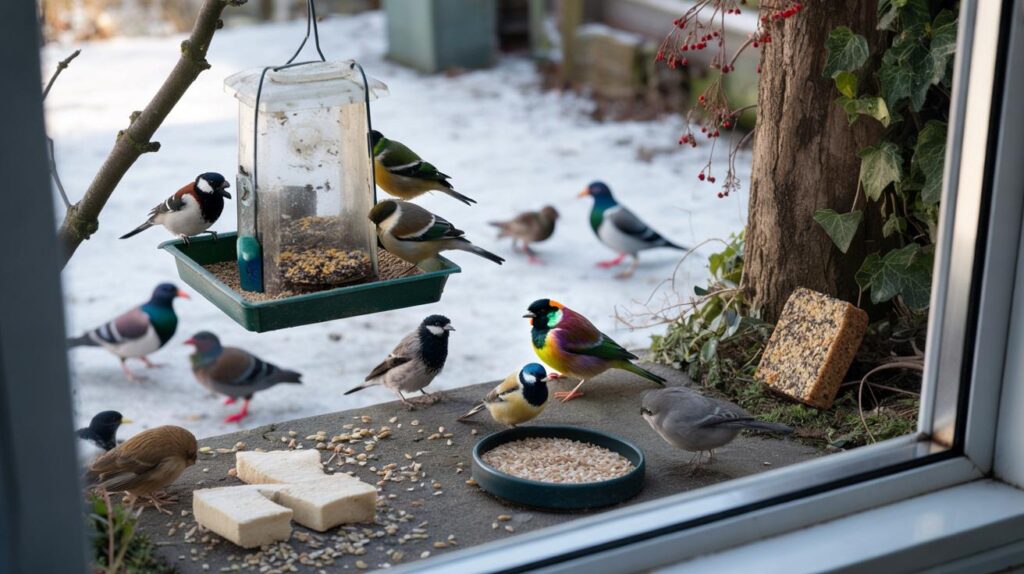
Then an odd thought creeps in, like a draught under the door: what if this “help” isn’t what we think it is? What if the way we feed birds is doing more harm than good?
Experts say the answer is more complicated than any bag of “winter mix” from the supermarket.

And the details might change what you hang outside your window tomorrow morning.

Why our winter bird tables are not as innocent as they look
Step outside on a frosty January morning and you hear it: that thin, hopeful chorus in the hedges. Robins flick their tails, sparrows huddle on the fence, pigeons patrol the grass like security guards. Many of us react instinctively. We grab seed, leftover bread, maybe the ends of yesterday’s croissants, and scatter them, feeling generous.
The birds rush in. We feel useful. The story seems perfect.
Except specialists who study garden birds are starting to say something awkward: some of our most common winter habits are stressing birds out, spreading disease and even reshaping local populations in ways we don’t see.
Look at any popular park on a cold weekend and you’ll spot it straight away. Children tipping whole bags of white bread to ducks until the water turns into floating mush. Pigeons crowding city squares, jostling over chips and pizza crusts. In small suburban gardens, feeders clump with visiting tits and finches, all landing on the same sticky bars over and over.
The result feels like abundance, a kind of feathered festival. Yet vets report more outbreaks of trichomonosis in finches clustered at dirty feeders. Wildlife charities warn that bread-fed ducks develop deformed wings and malnutrition. Urban gull numbers boom as they discover easy, unhealthy calories.
What looks like kindness from our side of the glass can look very different when you zoom out over a whole winter, a whole town.
Birds have evolved to survive lean, dangerous winters on the move: ranging across woodlands, picking through hedgerows, probing bark for tiny insects. Our static buffets change those rules. Instead of spreading out, birds congregate. That concentration makes predators’ jobs easier and lets parasites jump from bird to bird in a single morning.
High-calorie junk “treats” don’t match their nutritional needs, so birds fill up on low-value food that swells their bellies but not their strength. Meanwhile, bolder, more aggressive species push shyer birds aside, gaining an artificial advantage.
A bird table can become the avian version of a fast-food strip. Plenty of traffic. Not much health.
How to feed birds in winter without harming them
The good news is you don’t need to stop feeding birds this winter. You just need to feed them like a quiet ally, not like a vending machine. Start with what you offer. Swap bread, salty leftovers and processed scraps for real bird fuel: mixed seeds, sunflower hearts, unsalted peanuts (in proper mesh feeders), suet balls without plastic netting.
Think variety, not volume. Different feeders at different heights create a mini “food landscape” that lets shy and bold species each find their place. A tray for ground feeders, a hanging feeder for tits, a suet block on a tree trunk.

You’re not running an all-you-can-eat buffet. You’re topping up what nature already provides.
The next change is less glamorous, and this is where most of us slip. Feeders need cleaning, and not once a season when you remember. Bird-health experts suggest a quick scrub with hot water and a mild disinfectant once a week in winter, then a thorough dry. Wipe down perches, empty mouldy seed, bin anything clumped or wet.
Let’s be honest: nobody really does this every single day. Yet those grimy rings of seed, that greenish film on a water dish, are exactly where diseases spread. By spacing feeders out and keeping them clean, you cut down the chance that one sick bird will pass an infection to twenty others before lunch.
If a dead or visibly ill bird appears, pause feeding for a few days and clean everything again.
“People imagine birds as fragile ornaments,” says one urban ecologist I spoke to. “They’re tough survivors. What they need from us is not pity food, but safe, steady support that doesn’t trap them in unhealthy patterns.”
- Offer natural foods: seeds, nuts, suet, grated mild cheese, chopped fruit rather than bread and salty leftovers.
- Clean feeders weekly: hot water, brush, mild disinfectant, full dry, then refill with fresh food.
- Space feeding points: several small stations instead of one crowded hotspot to reduce fights and infections.
- Add water carefully: shallow dishes refreshed daily, scrubbed when you see algae or droppings.
- Think habitat too: native shrubs, ivy, quiet corners of “messy” garden that hide insects and provide real winter forage.
The deeper question: who are we really doing this for?
Once you start looking at your winter feeding through this lens, a deeper question appears. Are we feeding birds purely for them, or also for ourselves? That little rush of joy at a robin on the fence, the comfort of seeing life at the window when the world feels grey and shut in. Both can be true at once.
We’ve all been there, that moment when you scatter a handful of crumbs just to see something move in the cold air. Yet the expert view gently nudges us toward a more adult version of care. One where we accept that real support sometimes means a bit of discipline: better food, cleaner stations, fewer gimmicks, more patience as birds find their own balance.
There’s another layer too. Winter feeding is part of a bigger story about how we relate to urban wildlife. Do we want wild birds as semi-pets dependent on our balconies and picnic leftovers? Or as true wild neighbours who can visit us or not, according to their own needs? *The small choices we make about a plastic feeder or a stale baguette hint at our answer to that question.*
None of this means we should shut the window and pack everything away. It means treating that bird table like a responsibility, not a seasonal hobby. A place where science and tenderness can actually sit side by side.
You might stand at your window tomorrow morning and feel a tiny shift. The same robin, the same feeder, the same frost-glittered lawn. And yet a new awareness that this scene is a relationship, not a one-way act of generosity.
Maybe you’ll hang one less fat ball and plant one more berry bush this spring. Maybe you’ll rinse the feeder a little more often, or gently redirect your kids from throwing bread at ducks to scattering grain on the grass. These aren’t grand gestures. They’re quiet adjustments that, multiplied by thousands of gardens, start to matter.
 Goodbye kitchen cabinets: the cheaper new trend that won’t warp, swell, or go mouldy over time
The birds will keep singing either way. The question is what kind of chorus we want to hear in ten winters’ time.

| Key point | Detail | Value for the reader |
|---|---|---|
| Healthy food over scraps | Use seeds, nuts, suet and fruit instead of bread and processed leftovers | Supports bird health, energy and long-term survival |
| Hygiene and spacing | Clean feeders weekly and spread them out to avoid crowding | Reduces disease transmission and aggressive competition |
| Think beyond feeders | Plant native shrubs, leave “messy” corners, offer fresh water | Creates lasting habitat, not just short bursts of emergency feeding |
FAQ:
- Is it bad to feed birds all year, not just in winter?Experts say year-round feeding is fine if you offer appropriate food and keep feeders clean. In spring and summer, avoid whole peanuts and large chunks that chicks can choke on, and focus on high-protein options.
- Can I still give bread to ducks and swans at the park?Small amounts of plain bread won’t kill them instantly, but regular bread-feeding leads to malnutrition, litter and dense, unhealthy flocks. Grain, peas and chopped greens are far better choices.
- How often should I refill my feeders in cold weather?Top them up when they’re close to empty rather than overfilling. Smaller, regular refills keep food fresh and reduce waste that goes mouldy or attracts rats.
- What’s the single best food to offer in winter if I can only buy one?Many specialists recommend sunflower hearts. They’re energy-rich, easy to eat for small birds and popular with a wide range of species.
- Should I stop feeding if I’m going away for a week?Birds use your feeder as one of many food sources, not their only option. If you’ll be away, simply let the feeder run down beforehand; birds will re-adjust their routes when you return.
