Strength after 55 is built through steady habits, mindful movement, and giving your joints a reason to stay resilient each day. Chairs make this process surprisingly accessible. They offer stability and feedback, along with just enough support to load muscles safely while still challenging them through full, natural ranges of motion.
What truly sets chair exercises apart is how seamlessly they fit into everyday routines. You can work your legs, hips, and core without carving out long workout sessions or relying on bulky equipment. Every repetition reinforces coordination, balance, and muscle engagement in positions your body already uses throughout the day.
The movements below are designed to build strength where it matters most for staying active, confident, and independent. They target major muscle groups, reinforce healthy movement patterns, and activate muscles often missed by traditional lifting alone. Below is a closer look at four chair-based exercises that do the hard work for you.

Chair Squats for Everyday Lower-Body Strength
Chair squats develop lower-body strength by reinforcing one of the most essential daily actions: sitting down and standing up. This movement engages the legs, hips, and core while keeping joint stress within safe limits. The chair acts as a clear depth guide, helping improve confidence and consistency with each repetition. Over time, this exercise restores power, balance, and control without the need for added weights.
 Goodbye kitchen cabinets: the cheaper new trend that won’t warp, swell, or go mouldy over time
Muscles Trained: Quadriceps, glutes, hamstrings, core
How to Do It:
- Stand upright with feet shoulder-width apart and a chair positioned behind you.
- Engage your core and shift your hips back as you bend your knees.
- Lower until your hips gently touch the chair.
- Press through your heels to return to standing.
- Reset your posture before the next repetition.
Recommended Sets and Reps: Complete 3 sets of 10 to 15 reps, resting 45 seconds between sets.
Best Variations: Tempo chair squats, paused chair squats, goblet-style chair squats using a household item
Form Tip: Keep your chest lifted and imagine pushing the floor away as you stand.
Seated Leg Extensions to Support Knee Strength
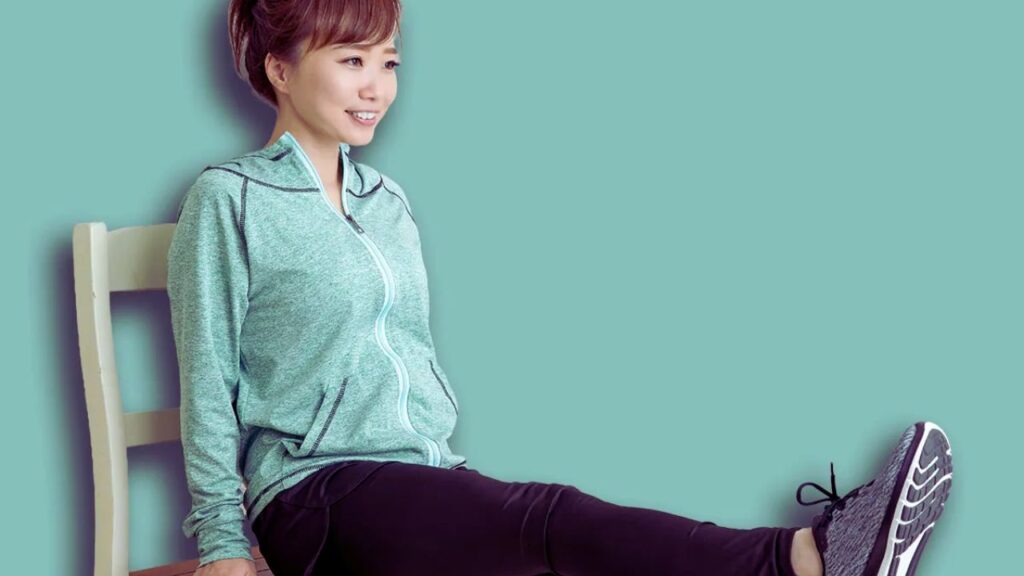
Seated leg extensions directly strengthen the quadriceps, which play a key role in walking speed, stair climbing, and knee stability. This exercise helps restore strength that often declines with age or inactivity. Since you’re seated, balance isn’t a concern, allowing full focus on muscle activation. The slow, controlled movement also enhances joint awareness and coordination.
Muscles Trained: Quadriceps, hip flexors, core
How to Do It:
- Sit upright on a chair with both feet flat on the floor.
- Brace your core and extend one leg until fully straight.
- Hold briefly at the top while squeezing the thigh.
- Lower the foot back down with control.
- Switch legs and repeat.
Recommended Sets and Reps: Perform 3 sets of 10 to 12 reps per leg, resting 30 seconds between sets.
Best Variations: Both legs together, slow-tempo repetitions, isometric holds at the top
Form Tip: Stay upright and avoid leaning back so the quadriceps stay engaged.
Supported Split Squats for Balance and Leg Control
Supported split squats train each leg individually while improving balance and coordination. Holding a chair for support allows you to move slowly and focus on proper form. This exercise strengthens the hips and legs while addressing side-to-side imbalances that often develop over time. It also reinforces stability through the ankles and knees.

Muscles Trained: Glutes, quadriceps, hamstrings, core
How to Do It:
- Stand next to a chair and lightly hold the back for balance.
- Step one foot back into a split stance.
- Lower your back knee toward the floor while keeping the front foot grounded.
- Press through the front heel to return to standing.
- Finish all reps on one side before switching legs.
Recommended Sets and Reps: Complete 3 sets of 8 to 10 reps per leg, resting 60 seconds between sets.
Best Variations: Short-stance split squats, slow-tempo reps, slightly elevated front foot
Form Tip: Keep your torso upright and ensure the front knee tracks forward.
Seated Marching to Reinforce Hip and Core Strength
Seated marching rebuilds hip and core strength while reinforcing posture and coordination. This movement targets muscles essential for walking efficiency, balance, and leg control, which commonly weaken with age. Performing the exercise seated removes joint strain and reduces the risk of losing balance. With consistency, seated marches improve stride strength and daily movement confidence.
Muscles Trained: Hip flexors, quadriceps, core, glutes
How to Do It:
- Sit upright on a chair with feet flat on the floor.
- Engage your core and lift one knee toward your chest.
- Pause briefly at the top while maintaining posture.
- Lower the foot back down with control.
- Alternate legs for each repetition.
Recommended Sets and Reps: Perform 3 sets of 10 to 14 reps per leg, resting 30 seconds between sets.
Best Variations: Alternating tempo marches, longer pauses at the top, hands crossed over the chest
Form Tip: Keep your spine tall and avoid leaning back as the knee lifts.
Smart Strategies for Rebuilding Muscle Strength After 55
Regaining strength after 55 is most effective when you prioritize frequency, control, and gradual progression. Chair-based exercises allow for daily movement without excessive joint strain or complex routines. When consistent practice is paired with supportive habits, strength improvements accumulate steadily over time.
Keep these principles in mind to maximize every session and maintain forward momentum:

- Train daily with intention: Short, focused sessions done consistently outperform occasional long workouts.
- Slow your repetitions: Controlled tempo increases muscle tension and improves joint awareness.
- Use full ranges of motion: Comfortable, complete movements build stronger, more resilient muscles.
- Maintain upright posture: A braced core supports every exercise.
- Progress gradually: Increase reps, slow the tempo, or reduce assistance before adding resistance.
Stick with these chair exercises, move with purpose, and you’ll rebuild strength in the areas that matter most.