
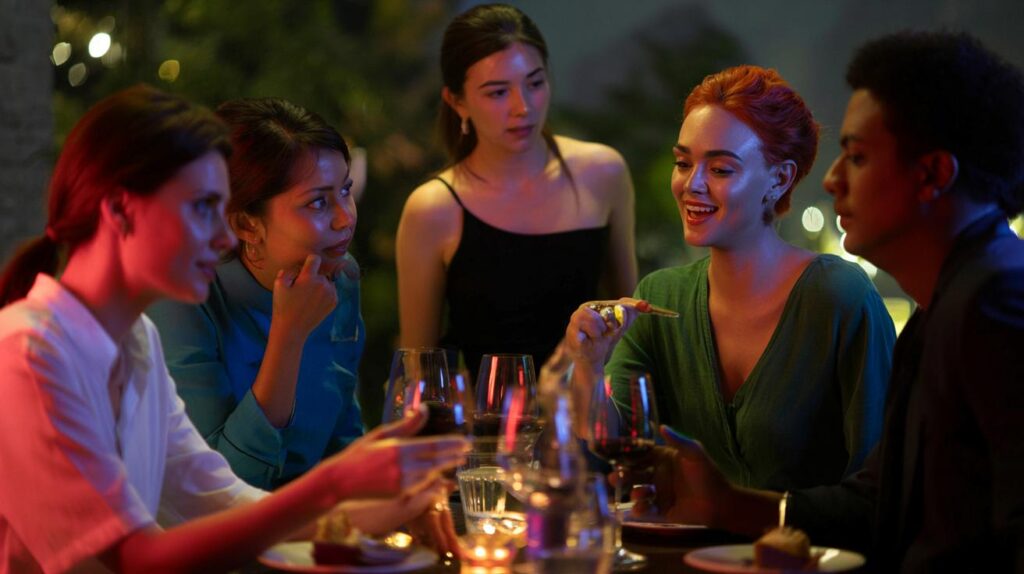
The question slipped out during a late dinner with friends, somewhere between dessert and the last glass of wine: “So… what’s your favorite color?”
Everyone answered without thinking. “Red, obviously.” “Blue, since I was a kid.” “Black. Don’t judge me.” The table laughed, but the longer the conversation went on, the more serious it became. The girl who loved red was the loudest storyteller. The one who swore by blue confessed she hates conflict. The guy in black? Freelance designer, a bit of a mystery, terrified of small talk.
We weren’t choosing at random.
Or at least, that’s what color psychology suggests.
Why your favorite color doesn’t feel random at all
Ask someone their favorite color and watch their face. They don’t have to think, they just know. It feels like a detail, the kind of question you answer in school, between “What’s your name?” and “What’s your dream job?” Yet that tiny preference often hides years of habits, fears, and hopes.
Color psychology doesn’t pretend to read your soul like a fortune-teller. It simply observes how the same shades tend to attract the same personalities, again and again.
And once you start seeing patterns, it gets hard to unsee them.
Think about people who always gravitate toward blue. They buy blue phones, pick blue hoodies, stop scrolling when they see a calm, blue-toned photo. Many of them describe themselves as loyal, thoughtful, a bit reserved. Blue is the color used by banks, tech giants, social networks that want to look solid and safe. That’s not an accident.
Or take red-lovers: the friend who speaks loudly, laughs easily, and somehow ends up organizing the night out. Brands use red for urgency and passion: sales banners, warning signs, logos that want your attention now.
The same emotional codes echo in our closets.

Color psychology studies these associations: red with energy and desire, blue with trust and calm, yellow with optimism, green with balance, purple with creativity, black with control and elegance, white with clarity and simplicity. It doesn’t mean a “blue person” can’t be bold, or a “red person” can’t be shy. Life is messier than that.
Yet our favorite color can reveal what we crave or what we’re missing. Someone drawn to green might long for stability in a chaotic life. Someone obsessed with black might be quietly protecting themselves behind a clean, controlled aesthetic.
Colors talk, even when we’re not listening.

What each color quietly says about you (and how to use it)
If you love red, you’re probably not afraid of being seen. You might chase challenges, enjoy fast decisions, and feel bored when everything is too calm. Red taps into adrenaline. So using red in your workspace or wardrobe can give you a push before an important pitch or big event.
Blue fans often seek security. You might hate sudden changes, prefer honest conversations, and value loyalty over drama. Surrounding yourself with blue tones at home can reinforce that sense of inner peace.
Green lovers usually look for balance. Plants, parks, muted greens on their walls: they recharge in nature and need time to breathe between obligations.
Yellow often attracts those who think in ideas and possibilities. You might be that person who has a new project every week and genuinely believes it could work. A yellow notebook or background can stimulate creativity, but too much bright yellow can feel hectic for anxious minds.
Purple fans tend to lean into imagination and difference. You may be the friend who never quite follows the “standard path”, who loves art, books, or unusual hobbies. Purple, long linked to spirituality and royalty, can boost a sense of unique identity.
Then there’s black. People who love black are often more sensitive than they appear. They use minimalism as armor, preferring control and clarity to messy displays.
Color psychology also warns about extremes. An obsession with red may hide impatience or anger. Too much blue can tip into passivity or emotional distance. Living in head-to-toe black might signal an ongoing need to feel protected, especially after a rough period.
*The color you choose is sometimes the emotion you’re trying to stabilize.*
This is where it gets useful in daily life. Notice how you feel in certain outfits, rooms, or apps. That favorite green sweater that calms you. That bright red lipstick that shifts your posture. Once you see the effect, you can start using colors like tiny emotional tools.
How to use color psychology without turning into a walking mood board
One simple method is to do a one-week “color diary”. No need for a beautiful notebook. Just grab your phone. Each morning, quickly note the main color you’re wearing or surrounded by (clothes, phone case, background, workspace). At night, write two words about your mood: “drained but proud”, “calm and focused”, “scattered, anxious”.
By the end of the week, patterns usually appear. Maybe your gray days literally feel gray. Maybe the days you wear blue, you get more things done.
From there, start gently tweaking: one colored item at a time, not a full rebrand of your life.
The trap is to treat color rules as dogma. You don’t “have to” wear blue to be calm or paint your bedroom green to sleep well. Human beings are more complicated than that. Let’s be honest: nobody really follows strict psychological advice every single day.
What you can do instead is use color as a soft signal. A red mug on days you need courage. A pale pink scarf for tenderness when you’re too hard on yourself. A green plant on your desk when your calendar looks like a battlefield.
Tiny doses. Real effects.

One color psychologist summed it up in a sentence that sticks:
“Colors don’t control you, but they constantly negotiate with your nervous system.”
Used wisely, that negotiation can work in your favor. Try building a small “emotional palette” around your favorite color and two supporting shades. For example:
- Blue as your base (calm)
- Yellow accents (optimism, ideas)
- White or beige anchors (clarity, reset)
You keep your identity — your beloved blue — while adding what you often lack.
That way, your favorite color stays the main character, yet the supporting cast quietly balances the story.
When your color changes, something in you might be shifting
There’s a quiet moment many people recognize: you realize your favorite color… isn’t your favorite anymore. The red-obsessed teenager who suddenly falls for beige interiors and soft greens. The adult who swore by black shifting to soft blue during a burnout recovery. That change can feel random, even a bit unsettling, like waking up with a slightly different personality.
Yet it often reflects a deeper transition. Maybe you’re tired of intensity. Maybe you’re done hiding. Maybe you’ve outgrown an old version of yourself and your eyes are simply catching up.
We’ve all been there, that moment when the clothes, objects, and colors that once felt like “you” no longer fit what you’re becoming.
Color psychology doesn’t have all the answers, and that’s probably for the best. Still, paying attention to your favorite shade — and the one you’re slowly letting in — can act as a gentle compass. Red to green, black to blue, gray to yellow: each shift quietly asks, “What do you need more of now?”
Maybe that’s why conversations about color rarely stay superficial for long. Ask “What’s your favorite color?” and you might end up talking about past heartbreaks, new projects, or the stability you’ve been craving for years.
Sometimes, a simple preference hides a whole era of your life.
 Goodbye kitchen cabinets: the cheaper new trend that won’t warp, swell, or go mouldy over time
Next time someone asks, don’t rush your answer. Notice what you say. Notice what you almost said. Then look around your room, your wardrobe, your phone screen. The colors you chose before you were fully conscious of it might be telling you a story about yourself.
You don’t have to believe every rule in color psychology to use its questions. You just have to stay curious about the shades you’re drawn to, and what they whisper about your fears, your desires, and your future.
Your favorite color isn’t a trivial detail. It’s a soft mirror you carry everywhere.

| Key point | Detail | Value for the reader |
|---|---|---|
| Favorite colors reflect needs | Red for energy, blue for safety, green for balance, etc. | Helps you understand what you’re unconsciously seeking |
| Colors can be used strategically | Small items or accents to trigger focus, calm, or courage | Gives simple tools to influence mood and behavior |
| Shifts in color taste signal change | Changing favorites often appear during life transitions | Offers a gentle way to read and support personal evolution |
FAQ:
- Does my favorite color really reveal my personality?Not like a horoscope, but it often reflects your emotional needs, values, and what feels safe or energizing for you.
- Can my favorite color change over time?Yes, and it often does during big life shifts, breakups, career changes, or periods of personal growth.
- What if I like several colors equally?Then your “palette” is probably more flexible; look at when and where you use each color to see what role it plays.
- Is black a “negative” favorite color?No. Black is often linked to protection, elegance, and control; it can signal sensitivity as much as sadness.
- How can I start using color psychology today?Begin with one small item — a mug, notebook, phone background — in a color that matches what you need most right now: calm, courage, joy, or clarity.
