Staying strong after 50 relies on your body’s ability to produce force, stay balanced, and move with control. The most effective training mirrors those needs, which is why standing strength exercises continue to deliver results long after midlife. When both feet stay planted, more muscles contribute to each movement, giving every repetition clear purpose.
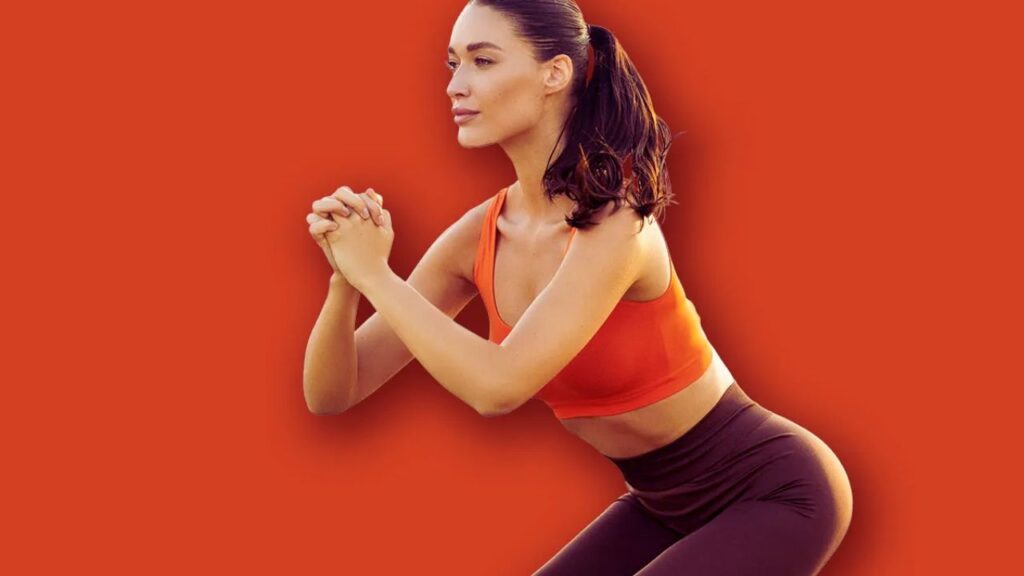
Working in a standing position naturally engages your legs, hips, and core while your upper body supports posture and alignment. This full-body involvement increases overall muscle activation and reinforces the same patterns you rely on in daily life. Over time, it builds strength that feels practical and transferable, not isolated.
There’s also a boost in confidence that comes from training upright. You develop balance, coordination, and joint awareness as your muscles work together rather than separately. That combination improves movement quality and encourages consistency, which matters far more than pushing intensity alone.

The five standing strength exercises below use bodyweight and resistance bands to stimulate muscle growth without heavy equipment. Each move targets essential muscle groups while keeping you stable and in control. If staying capable and building muscle after 50 is the goal, these exercises deserve a place in your routine.
 Goodbye kitchen cabinets: the cheaper new trend that won’t warp, swell, or go mouldy over time
Mini Band Squats for Lower-Body Strength
Mini band squats create constant muscle tension, keeping your legs and hips engaged throughout the entire movement. The band activates your glutes earlier and encourages proper knee alignment, which improves squat form over time. This added tension increases time under load without adding weight, making it ideal for building muscle after 50. You’ll also challenge your balance and core as your body works to stay centered with every rep.
Muscles Trained: Quadriceps, glutes, hamstrings, core.
How to Do It:
- Step into a mini band and position it just above your knees.
- Stand with feet shoulder-width apart and brace your core.
- Push your hips back and bend your knees to lower into a squat.
- Press your knees gently outward against the band as you descend.
- Drive through your heels to stand tall and squeeze your glutes at the top.
Recommended Sets and Reps: 3 sets of 10–15 reps, resting 45–60 seconds between sets.
Best Variations: Tempo squats, pause squats, banded box squats.
Form Tip: Keep your chest tall and maintain light outward pressure on the band.
Banded Good Morning for Posterior Chain Support
The banded good morning strengthens your posterior chain, which plays a key role in posture, walking speed, and lower-body power. The band provides smooth resistance that increases as you hinge forward, teaching your hips to handle the load instead of your lower back. This movement builds hamstring and glute strength while reinforcing proper hip hinge mechanics, supporting long-term mobility.
Muscles Trained: Hamstrings, glutes, erector spinae, core.
How to Do It:
- Stand on the center of a resistance band with feet hip-width apart.
- Loop the band around your upper back or hold it across your shoulders.
- Brace your core and keep a slight bend in your knees.
- Hinge your hips back as you lower your chest toward the floor.
- Drive your hips forward to return to an upright position.
Recommended Sets and Reps: 3 sets of 12–15 reps, resting 45 seconds between sets.
Best Variations: Single-leg banded good mornings, slow eccentrics, pause hinges.
Form Tip: Focus on pushing your hips back rather than bending at the waist.
Bodyweight Split Squats for Strength Balance
Split squats load each leg individually, improving strength balance and reducing compensation between sides. This unilateral challenge activates stabilizers and the core while building meaningful leg strength without extra weight. The upright stance closely matches real-life actions like stepping and climbing, helping maintain muscle mass and coordination over time.
Muscles Trained: Quadriceps, glutes, hamstrings, calves.
How to Do It:

- Take a staggered stance with one foot forward and one back.
- Stand tall and brace your core.
- Bend both knees, lowering your back knee toward the floor.
- Keep most of your weight on the front leg.
- Press through your front heel to stand back up.
Recommended Sets and Reps: 3 sets of 8–12 reps per side, resting 60 seconds between sets.
Best Variations: Rear-foot elevated split squats, tempo reps, shallow range split squats.
Form Tip: Stay upright and move with control rather than leaning forward.
Wall Push-Ups for Upper-Body Control
Wall push-ups strengthen the chest, shoulders, and arms while minimizing stress on the wrists and shoulders. The vertical angle allows you to gradually build pressing strength with full control over body position. This exercise also engages your core and glutes, helping maintain a straight line from head to heels. It’s a reliable way to build upper-body muscle with confidence.
Muscles Trained: Chest, shoulders, triceps, core.
How to Do It:
- Stand facing a wall with hands placed at chest height.
- Step your feet back slightly and brace your core.
- Bend your elbows to lower your chest toward the wall.
- Keep your body in a straight line as you descend.
- Press through your palms to return to the start.
Recommended Sets and Reps: 3 sets of 10–15 reps, resting 45 seconds between sets.
Best Variations: Incline push-ups, narrow-grip wall push-ups, slow tempo reps.
Form Tip: Squeeze your glutes and keep your ribs down to avoid arching.
Resistance Band Press for Core Stability
The resistance band press builds upper-body strength while forcing your core to stabilize every repetition. Bands provide variable resistance, meaning the movement becomes more challenging as your arms extend. This tension stimulates muscle growth without stressing the joints and helps reinforce upright posture by training the chest and shoulders together.
Muscles Trained: Chest, shoulders, triceps, core.
How to Do It:
- Anchor a resistance band behind you at chest height.
- Hold the handles and step forward to create tension.
- Stand tall with elbows bent and core braced.
- Press your hands straight forward until arms extend.
- Return slowly to the starting position.
Recommended Sets and Reps: 3 sets of 12–15 reps, resting 45–60 seconds between sets.
Best Variations: Single-arm presses, staggered stance presses, half-range pulses.
Form Tip: Exhale as you press while keeping ribs stacked over hips.
Smart Strength Tips for Building Muscle After 50
Building muscle after 50 works best when you prioritize quality movement, consistent effort, and recovery-friendly habits. Standing exercises allow more frequent training without excessive joint stress. When paired with simple routines, progress adds up quickly.

- Train tension, not load: Slow, controlled reps with bands and bodyweight provide strong muscle stimulus.
- Stay upright often: Standing work strengthens more muscles while challenging balance.
- Use unilateral moves: Single-leg and staggered exercises reduce imbalances.
- Respect recovery: Rotate movements and allow rest days for muscle growth.
- Prioritize consistency: Short, regular sessions outperform sporadic intense workouts.
These standing strength movements keep training accessible, effective, and sustainable, allowing you to continue building muscle well into your 50s and beyond.