Many people in their 50s assume that lifting weights is the only reliable way to regain muscle. While strength training is effective, it is not the only path. Walking with purpose can also help build and preserve muscle mass. As a form of low-impact resistance, walking keeps the body active while gently challenging muscles, especially in the legs and glutes. At this stage of life, protecting muscle is essential, since age-related muscle loss is natural and can affect mobility and independence if left unaddressed.
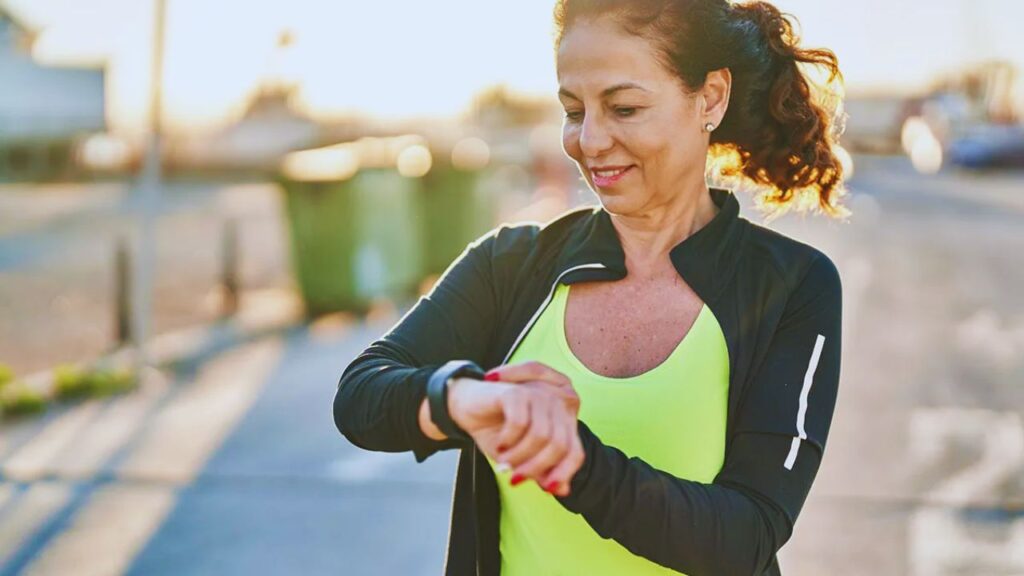
By simply adding more intentional steps to your routine, you can support lean muscle growth while maintaining the strength you already have. The goal is not just movement, but purposeful movement that supports an active, independent lifestyle.
Expert Insight on Smarter Walking
Dr. Mikel Daniels, a board-certified podiatrist at WeTreatFeet Podiatry, explains that walking can be especially effective after 50 when approached correctly. All it takes is supportive footwear and a commitment to consistency. Walking can also be social—inviting friends or forming a group can help reinforce the habit and keep you motivated on days when staying indoors feels easier.

According to Dr. Daniels, walking works best when treated like strength training rather than passive cardio. Patients who focus on intention, incline, and intervals often see better results than those who simply accumulate miles.
 Goodbye kitchen cabinets: the cheaper new trend that won’t warp, swell, or go mouldy over time
Intentional Interval Walking for Strength
Turning a standard walk into intentional interval walking can significantly increase muscle engagement. This approach alternates between easier and more demanding walking phases, helping strengthen the thighs and knees.
Research involving older adults has shown that progressive walking programs combining moderate and higher-intensity intervals—around 45 minutes per session, several days a week—can improve leg muscle size and overall strength. Brisk walking has also been linked to measurable gains in lower-body muscle mass.
- Warm-up walk: 5 minutes at an easy pace
- Brisk interval: 1–2 minutes
- Recovery pace: 2–3 minutes
- Repeat cycle: 6–8 times, 4–5 days weekly
- Cool-down: 5 minutes
Hill and Incline Walking for Lower-Body Power
Walking uphill functions much like a bodyweight leg press, using gravity and your own body mass instead of machines. This method is often easier on joints, particularly the knees and hips.

Studies show that higher-intensity walking, such as incline walking, leads to greater improvements in knee strength. Dr. Daniels notes that one of his patients, a 72-year-old with knee pain, was able to tolerate incline walking when weight machines were not an option. Over time, she regained enough strength to manage stairs independently—a small change with a meaningful impact on daily life.
- Walk uphill: 30–60 seconds
- Descend slowly for recovery
- Repeat: 6–10 rounds
Step, Stair, and Terrain Walking
This style of walking mirrors functional strength training while remaining joint-friendly. It improves balance, coordination, and gait speed, all of which are critical for daily movement.
Research on stair climbing shows benefits for cardio-metabolic health, and when combined with walking, it supports lower-limb strength in older adults. Increasing daily steps has also been shown to reduce the risk of sarcopenia, or age-related muscle loss.
- Choose varied routes with curbs, stairs, or uneven ground
- Walk continuously
- Every 3–5 minutes, add stairs, curb steps, or uneven terrain
Loaded or Purposeful Walking
Loaded walking, similar to a farmer’s carry, builds practical strength without heavy equipment. Walking alone supports lean leg muscle, and adding light resistance—such as a backpack—introduces upper-body engagement. Items like water bottles or books can gradually increase difficulty.

This method distributes weight across the body, allowing for longer muscle engagement with lighter loads. It challenges the grip, shoulders, core, and hips in a way that mimics real-life tasks, such as carrying groceries, rather than isolating muscles on machines.

- Hand carry: 5–15 pounds per hand, or single-side carry
- Walk: 20–40 steps
- Rest: 30–60 seconds
- Repeat: 4–8 rounds
- Backpack option: Start with 5–10 pounds
- Progress to: 10–20 minutes at a moderate pace, 2–3 days weekly