As we age, maintaining good balance becomes increasingly important. Older adults are at a higher risk of falling, which can lead to serious injuries. Incorporating balance exercises into your daily routine can help prevent falls, improve muscle strength, and maintain independence. Below are 11 balance exercises specifically designed to help older adults stay active and safe.
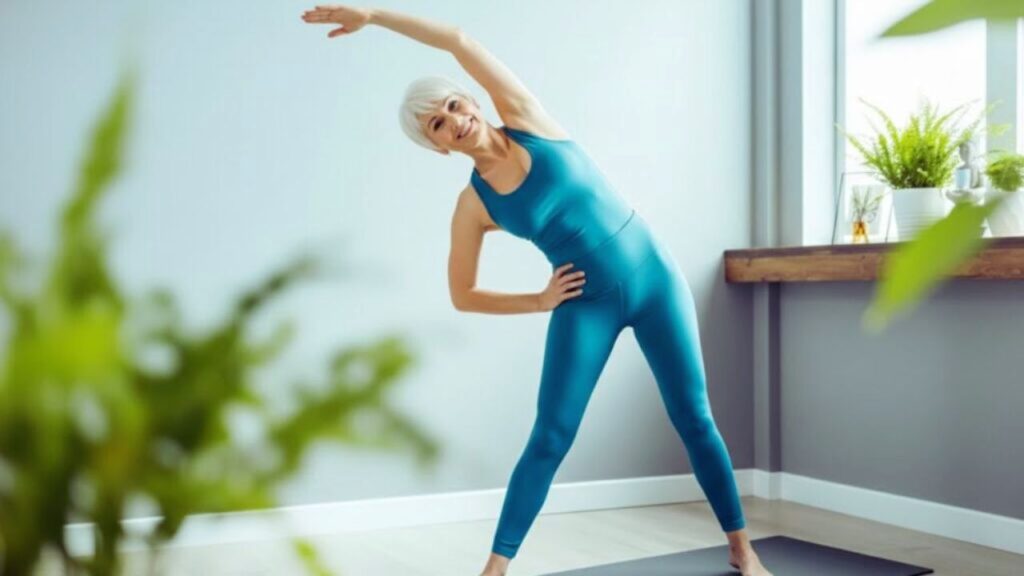
1. Controlled Weight Shifts to Improve Body Awareness
Weight shifts are a simple but effective way to build body awareness and improve balance. This exercise involves shifting your weight from one foot to the other, helping to enhance your balance control. Begin by standing with your feet shoulder-width apart, then slowly transfer your weight to one leg while keeping your posture straight. Hold this position for a few seconds before shifting your weight to the other leg. This exercise is excellent for building a solid foundation for more challenging balance exercises.
2. Standing Heel Lifts to Strengthen Ankles
Heel lifts are great for building strength in your ankles and improving balance. These muscles are vital for walking and climbing stairs. To perform a heel lift, stand with your feet shoulder-width apart and raise your heels off the ground, balancing on the balls of your feet. Hold for one or two seconds, then slowly lower your heels back to the floor. For added difficulty, try doing this exercise on one foot at a time to engage each leg individually.

3. Forward and Backward Stepping for Stability
Stepping exercises improve stability and coordination by practicing controlled movements. Begin by standing with your feet hip-width apart. Step forward with your right foot, then return it to the starting position. Next, step backward with the same leg, and return to the starting position. Repeat with the left foot. For added challenge, switch legs after each repetition or perform all repetitions on one leg before switching to the other leg.

4. Feet-Together Standing for Core Balance
Standing with your feet together is a simple yet effective exercise for improving core balance. Start by standing with your arms outstretched to both sides. Move your feet together and hold this position for as long as possible without moving. As you progress, try crossing your arms over your chest or closing your eyes for an added challenge. This exercise helps strengthen the core, improving overall stability.
5. Walking with Head Turns for Enhanced Coordination
Incorporating head turns while walking can enhance your coordination and challenge your balance. As you walk forward at a controlled pace, turn your head to the right and look over your right shoulder, then bring your head back to center. Next, turn your head to the left and look over your left shoulder. Repeat this pattern while walking to improve the connection between your vision and balance system.
6. Side-to-Side Stepping for Lateral Support
Side-stepping is a great way to improve lateral balance and stability. Start by standing with your feet hip-width apart. Take a small step to the right with your right foot, then bring your left foot to meet it. Continue stepping to the right for a set distance, then reverse the motion by stepping to the left. This exercise strengthens the muscles responsible for stabilizing your body during lateral movements.
7. Forward Step-Ups to Build Leg Strength
Step-ups are an excellent exercise to mimic everyday activities, such as climbing stairs. To perform a forward step-up, stand in front of a step. Place your right foot on the step and bring your left foot up to meet it. Step down with your left foot, followed by your right foot. Repeat this pattern, switching the leading foot each time. This exercise strengthens the legs and boosts confidence when navigating stairs.
 Goodbye kitchen cabinets: the cheaper new trend that won’t warp, swell, or go mouldy over time
8. Side Step-Ups for Hip Stability
Side step-ups help improve hip stability and prevent falls. Find a stable, raised platform and position your body so that the side faces the step. Place your right foot on the step, then bring your left foot to join it. Step down with your left foot, followed by the right. Perform 10 repetitions on each side. This exercise targets the muscles involved in lateral movement and stabilizing your hips.
9. Heel-to-Toe Standing for Focused Balance
Heel-to-toe standing, also known as tandem standing, is a more advanced balance exercise that challenges your balance focus. Stand with your feet together, then place your right foot directly in front of your left foot so that the heel of your right foot touches the toes of your left. Hold this position for as long as possible before switching sides. You can increase the difficulty by closing your eyes or crossing your arms over your chest.
10. One-Leg Standing to Improve Stability
Standing on one leg is a fundamental exercise for improving overall stability. Begin by standing next to a sturdy surface for support. Lift your right foot off the ground, keeping your knee bent and your heel toward your backside. Hold this position for as long as you can, then switch legs. To make this exercise more challenging, try it with your eyes closed or on an unstable surface, such as a cushion.
11. Cross-Step Walking for Coordination and Control
Cross-step walking, also known as the braiding exercise, is an advanced balance activity that boosts coordination and control. Start by standing with your feet hip-width apart. Cross your right leg in front of your left leg, then bring your left foot to the left side. Next, cross your right leg behind your left and step your left foot out to the side. Continue this pattern as you move sideways, then reverse the movements to return to your starting position.

Summary of Key Balance Exercises for Older Adults
Maintaining good balance is crucial for older adults to stay independent and reduce the risk of falls. The exercises outlined above are designed to target different aspects of balance, including core strength, ankle stability, and coordination. Regular practice can help build muscle strength, enhance stability, and improve overall well-being. Start with basic exercises and progress to more advanced ones as your balance improves to stay active and safe.

| Exercise | Target Area | Difficulty |
|---|---|---|
| Controlled Weight Shifts | Body Awareness | Easy |
| Heel Lifts | Ankles | Medium |
| Forward Step-Ups | Leg Strength | Medium |
| Side Step-Ups | Hip Stability | Medium |
| Cross-Step Walking | Coordination | Advanced |